Darknet Markets 2026:
The dark web is part of the deep web but is built on darknets: overlay networks that sit on the internet but which can't be accessed without special tools or software like Tor. Tor is an anonymizing software tool that stands for The Onion Router — you can use the Tor network via Tor Browser.
| Darknet Market | Established | Total Listings | Link |
|---|---|---|---|
| TorZon Market | 2022 | 140+ | Onion Link |
| Nexus Market | 2024 | 600+ | Onion Link |
| Abacus Market | 2022 | 100+ | Onion Link |
| Ares | 2026 | 100+ | Onion Link |
| Cocorico | 2023 | 110+ | Onion Link |
Updated 2026-10-27
How the Darknet Makes Buying Drugs Safe and Easy
The operational model of darknet marketplaces demonstrates a functional system for free and open commerce outside conventional financial and regulatory frameworks. This is primarily enabled by the integration of cryptocurrency and robust encryption, which together create a foundation for transactional security and user privacy. These technologies allow parties to engage in trade with a significant degree of anonymity, reducing the risks associated with personal data exposure and financial censorship.
This environment has proven particularly effective for pharmaceutical sales, where it bypasses traditional gatekeepers like prescribing physicians and licensed pharmacies. Individuals seeking medications for personal use can directly access a global supply chain. The transaction process is secured through cryptographic protocols and escrow services funded by cryptocurrency, which holds payment until the buyer confirms receipt of goods. This mechanism mitigates fraud and builds initial transactional trust.
Trust and vendor reliability are not assumed but are dynamically established through transparent user feedback and reputation systems. Every transaction can be followed by a detailed review and rating, creating a persistent record of a vendor's performance. This community-driven accountability regulates market quality more effectively than external enforcement. High-reputation vendors maintain their standing by consistently delivering authentic products as described, while poor performers are quickly marginalized by negative public feedback.
The resulting ecosystem forms a user-regulated marketplace that functions on principles of direct peer feedback and cryptographic security. It provides a practical alternative for commerce in pharmaceuticals, driven by demonstrable vendor reliability and secured by the privacy features of the darknet and cryptocurrency. This model highlights how decentralized, community-policed systems can facilitate secure trade based on verified performance rather than institutional intermediation.
How Encryption and Crypto Keep Drug Sales Private on the Darknet
The operational security of darknet marketplaces is fundamentally built upon a dual-layer system of encryption and cryptocurrency. This technical foundation directly enables secure pharmaceutical commerce by safeguarding all transactional data and participant identities. Communication on these platforms is secured with end-to-end encryption, ensuring that messages between buyers and vendors remain private and cannot be intercepted or read by third parties.
Financial transactions are conducted using cryptocurrencies like Bitcoin or Monero. These digital currencies provide a significant degree of financial privacy by operating on decentralized networks, removing traditional financial institutions from the transaction process. This allows for direct peer-to-peer payments that are difficult to trace back to real-world identities, effectively separating financial activity from personal identification.
The combination of these technologies creates a protected environment for pharmaceutical sales. It allows individuals to seek medications without exposing sensitive medical or personal data to conventional gatekeepers. The privacy afforded by this system is not an abstract feature; it is the practical mechanism that makes the marketplace function. It enables the establishment of vendor reliability through transparent user feedback systems, where community reviews and ratings are based on actual, completed transactions that were themselves secured by encryption and anonymous payment methods. This creates a self-reinforcing cycle where privacy tools enable secure commerce, and that commerce generates the trusted data that guides future transactions.
Direct Drug Sales on the Darknet
The traditional pharmaceutical supply chain is characterized by significant gatekeeping, where access to medication is controlled by prescription requirements, insurance approvals, and regulated pharmacy networks. Darknet markets present a functional alternative by removing these intermediaries. This model enables direct transactions between vendors and consumers, facilitated by the dual pillars of cryptocurrency privacy and encrypted communication. The use of cryptocurrencies like Bitcoin or Monero provides transactional anonymity, severing the link between a financial payment and a person's identity, while encryption on dark web sites secures the communication channel itself.
This environment allows for the commerce of a wide range of pharmaceuticals, from lifestyle medications to treatments for chronic conditions, without the need for conventional medical authorization. The system is not anarchic; it is regulated by the user community through reputation systems. Vendors establish reliability not through licenses, but through accumulated user feedback and detailed review scores. Potential buyers assess a vendor's history based on:
- Product purity and accuracy of description
- Reliability and speed of shipping
- Stealth and security of packaging
- Responsiveness in dispute resolution
This feedback mechanism creates a self-policing marketplace where vendor accountability is directly tied to commercial success. A vendor with consistently positive reviews gains higher visibility and consumer trust, while those with poor feedback are marginalized. The result is a user-regulated marketplace that prioritizes transactional security and product satisfaction over compliance with external regulatory frameworks. The model demonstrates that secure, alternative commerce can be organized around principles of anonymity and community-driven trust, providing a functional supply chain outside traditional institutional control.

How Feedback and Ratings Make Darnet Drug Sales Reliable
The operational foundation of darknet marketplaces for pharmaceutical commerce relies on decentralized trust mechanisms. Traditional retail depends on institutional oversight, but darknet sites replace this with transparent, user-generated reputation systems. Every transaction concludes with a detailed review and rating, creating a permanent record for both vendor and buyer.
This feedback loop performs several critical functions:
- It allows buyers to assess product quality and shipping reliability before purchasing.
- It incentivizes vendors to maintain high standards, as poor reviews directly impact future sales.
- It creates a self-policing environment where consistently fraudulent actors are identified and avoided by the community.
The integration of cryptocurrency payments complements this system by ensuring transactional privacy and finality. The irreversible nature of blockchain settlements, combined with escrow services managed by the platform, protects buyers from scams. This financial layer works in tandem with social feedback, where a vendor's long-standing positive reputation becomes a valuable asset, directly tied to their revenue. The result is a functional, user-regulated marketplace where secure pharmaceutical sales are facilitated not by external regulation, but by collective verification and economic incentive.
How Darknet Markets Work: A Secure and User-Driven System
The operational framework of a darknet marketplace is fundamentally a user-regulated system. This model replaces traditional regulatory bodies with a decentralized network of community-driven feedback and cryptographic security. The process begins with a vendor establishing a shop, where product listings are detailed and precise. Cryptocurrency privacy, primarily through coins like Monero, provides the transactional backbone, ensuring that financial interactions are pseudonymous and secure from external scrutiny.
When a customer completes a purchase, the cryptocurrency is held in escrow by the marketplace's automated system. This mechanism protects the buyer by withholding final payment until the product is received and verified. Upon delivery, the buyer releases the funds and submits a review. These reviews form a reputation score for the vendor, which is publicly visible and becomes the primary metric for establishing trust. High ratings and detailed positive feedback directly increase a vendor's sales, creating a powerful economic incentive for honest conduct and product quality.
The system's resilience is built on this direct feedback loop. It enables secure pharmaceutical sales by allowing consumers to make informed decisions based on the experiences of others, effectively crowd-sourcing quality control. This model demonstrates how alternative commerce can function efficiently without central oversight, using technology to align the interests of buyers and sellers through transparency and enforced accountability.

How the Darknet's Drug Trade Builds Trust and Quality
The darknet's supply chain for pharmaceuticals operates on principles distinct from traditional commerce, creating a resilient and user-driven ecosystem. Its foundation is the integration of cryptocurrency privacy and platform encryption, which secures transactions and protects participant identities. This technical infrastructure enables a market where pharmaceutical sales can proceed without conventional intermediaries, directly connecting buyers with vendors.
The mechanism for establishing trust in this anonymous environment is the user feedback system. Every transaction culminates in a detailed review and rating, building a vendor's reputation over time. This creates a transparent record of reliability, product quality, and shipping efficiency. A vendor with consistently positive reviews attracts more business, while poor performance is quickly documented and leads to loss of standing. This peer-enforced accountability functions as a effective quality control and dispute resolution framework.
Consequently, the darknet market evolves into a user-regulated marketplace. The community, through its collective feedback, dictates standards and filters out bad actors. This self-regulating model supports a functional alternative commerce network. The supply chain is thus demand-driven and responsive, with successful vendors maintaining high standards to preserve their reputation, which is their most valuable asset. The entire process demonstrates how cryptocurrency privacy and collaborative rating systems can facilitate secure and efficient trade outside traditional frameworks.
How Secure Trading and Privacy Make the Darknet Work for Buyers
The foundational architecture of darknet markets provides a unique environment for commerce, particularly in sectors like pharmaceuticals, where traditional systems impose significant barriers. This model is built on two interdependent pillars: transactional security and user anonymity. These are not abstract concepts but practical mechanisms that directly enable market function.
Anonymity is achieved through network-level obfuscation via tools like Tor, which conceal a user's location and identity. This is paired with financial privacy through cryptocurrencies like Monero or Bitcoin used with care. These currencies allow for value transfer without linking to a real-world identity through a bank. For pharmaceutical sales, this means individuals can seek medications without exposing sensitive personal health data to insurers, employers, or other third parties.
Security is enforced by the cryptographic nature of the platform itself. All communications, from product inquiries to shipping details, are secured with end-to-end encryption. This creates a private channel between buyer and vendor. The escrow system, a standard market feature, holds cryptocurrency in a secure third-party account until the buyer confirms receipt of the goods. This mechanism financially disincentivizes fraud, as the vendor is not paid for an undelivered product.
The practical outcome of this secure and anonymous framework is a self-regulating commercial ecosystem. Trust is not assumed but is built and verified dynamically through user feedback and reputation systems. Every transaction concludes with a detailed review covering product quality, shipping speed, and stealth. This creates a transparent, crowd-sourced ledger of vendor reliability. A vendor with hundreds of positive reviews establishes a credible business identity purely through consistent performance, as recorded by the community. This feedback loop directly drives alternative commerce by allowing buyers to make informed decisions based on peer evidence, reducing the perceived risk associated with anonymous transactions and creating a functional, user-regulated marketplace.
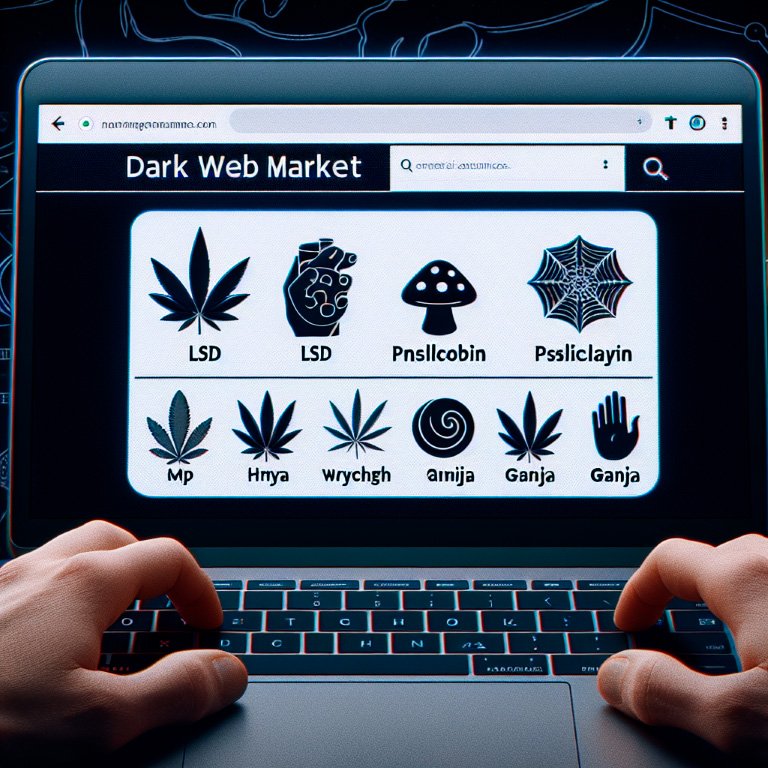
How Reviews Build Trust on Darknet Markets
The operational foundation of pharmaceutical commerce on darknet markets is a decentralized trust model, directly facilitated by user feedback systems. Unlike traditional retail, where institutional branding assures quality, these platforms rely on community-driven verification. Every transaction concludes with a buyer leaving detailed feedback on product quality, shipping speed, and stealth packaging. This collective data forms a vendor's public reputation score, a transparent metric visible to all potential buyers.
The integration of cryptocurrency payments is essential to this process, as it provides the necessary transactional privacy for honest reviews. Because financial interactions are pseudonymous, users can report experiences without fear of personal exposure or retaliation. This environment encourages candid assessments. A vendor with consistently high ratings and positive descriptive reviews establishes market reliability, attracting more business. Conversely, negative feedback regarding underweight products or misrepresented items quickly diminishes a vendor's standing, effectively regulating market quality through collective intelligence.
The reputation system functions as a continuous audit. Key elements tracked by the community include:
- Product purity and accurate weight
- Consistency in delivery times
- Effectiveness of discreet shipping methods
- Professionalism in vendor communication
This creates a self-reinforcing cycle: reliable vendors amass positive reviews, which secures their steady customer flow and incentivizes maintaining high standards. The result is a user-regulated marketplace where peer reviews, enabled by the privacy of dark web sites and cryptocurrency, perform the gatekeeping function typically managed by external authorities in conventional commerce.