Darknet Markets 2026:
The dark web is part of the deep web but is built on darknets: overlay networks that sit on the internet but which can't be accessed without special tools or software like Tor. Tor is an anonymizing software tool that stands for The Onion Router — you can use the Tor network via Tor Browser.
| Darknet Market | Established | Total Listings | Link |
|---|---|---|---|
| TorZon Market | 2022 | 140+ | Onion Link |
| Nexus Market | 2024 | 600+ | Onion Link |
| Abacus Market | 2022 | 100+ | Onion Link |
| Ares | 2026 | 100+ | Onion Link |
| Cocorico | 2023 | 110+ | Onion Link |
Updated 2026-10-27
How the darknet builds safe and private drug markets
The foundational security of darknet commerce is achieved through layered encryption. Platforms operate as hidden services on networks like Tor, which obfuscate both the server's location and the user's IP address. This technical architecture makes the marketplace inherently resistant to takedowns and surveillance. All communications, from browsing listings to messaging, are encrypted end-to-end, ensuring that sensitive data such as delivery addresses and transaction details remain confidential between the trading parties.
This privacy infrastructure is perfectly complemented by the use of cryptocurrency, primarily Bitcoin and Monero. Cryptocurrencies enable a financial layer that is pseudonymous by design, severing the direct link between a transaction and real-world identity that is inherent in traditional banking. The transaction process is further secured through the use of escrow systems and multisignature wallets. Here, funds are held in escrow by the marketplace until the buyer confirms satisfactory receipt of goods, at which point the vendor is paid. This mechanism drastically reduces the risk of fraud for both parties, as neither can unilaterally abscond with the payment or the goods.
The ecosystem is sustained and regulated by a transparent reputation system. After each transaction, buyers and vendors leave detailed feedback and ratings, which are permanently displayed on their profiles. This creates a powerful economic incentive for honest conduct; a vendor with a long history of positive reviews has a valuable asset to protect, while a new or poorly rated vendor struggles to find buyers. This user-driven feedback loop creates a self-policing environment where trust is built empirically over time, replacing the need for a central authority to vouch for participants.
Consequently, darknet markets establish a resilient framework for secure trade by integrating three core components:
- network-level anonymity for all participants,
- cryptographic financial privacy through digital currencies,
- and a decentralized reputation economy that enforces fair play.
How Encryption Makes Darknet Trade Private and Safe
The operational security of darknet commerce is fundamentally built upon a layered encryption model. This model ensures that all interactions, from browsing to finalizing a transaction, are shielded from external surveillance. The foundation is The Onion Router (Tor) network, which encrypts and routes a user's internet traffic through multiple volunteer-operated servers. This process obfuscates the user's original IP address, making it extremely difficult to trace their physical location or identity simply for accessing a marketplace.
Beyond network anonymization, end-to-end encryption (E2EE) secures the content of all communications. When a buyer contacts a vendor, their messages are encrypted on the sender's device and can only be decrypted by the recipient's device. This means that even if marketplace servers are compromised, the substance of private conversations remains protected. This encrypted communication channel is critical for discussing order specifics and building a professional relationship without fear of interception.
This privacy architecture directly enables safe commerce by creating a secure environment for the necessary exchange of sensitive data. To place an order, a user must provide a delivery address. The use of strong encryption gives participants confidence that this highly personal information is not exposed. Similarly, the integration of cryptocurrencies like Bitcoin or Monero completes the privacy loop. These digital currencies facilitate pseudonymous financial transactions. When combined with the privacy techniques of the darknet itself, they allow for a direct economic exchange where traditional financial intermediaries, who typically monitor and record transactions, are removed from the process.
The synergy between these technologies creates a self-contained ecosystem for trade:
- Tor provides anonymous access and hosting.
- End-to-end encryption protects all dialogue and operational data.
- Cryptocurrency enables final settlement without linking financial identity to the transaction.
How Crypto Makes Buying Drugs on the Darknet Private and Safe
Cryptocurrency is the financial backbone of darknet commerce, enabling transactions that are both private and secure by design. Unlike traditional banking, which ties financial activity to personal identity, cryptocurrencies like Bitcoin and Monero operate on decentralized networks. This fundamental shift allows for a direct exchange of value without intermediaries who typically monitor and record transactions.
The privacy stems from the cryptographic nature of these currencies. While Bitcoin offers pseudonymity, newer currencies provide enhanced fungibility and obfuscation of transaction trails. This creates a financial environment where trade can occur based solely on the agreement between buyer and vendor, free from external scrutiny of personal spending habits or the nature of the goods being exchanged.
The integration of cryptocurrency into darknet marketplaces automates trust through the escrow system. Funds are held by the platform's smart contract until the buyer confirms receipt of goods, only then releasing payment to the vendor. This mechanism:
- Secures the buyer's investment against fraud.
- Guarantees the vendor will receive payment upon fulfilling the order.
- Operates autonomously, removing the need for a trusted third-party arbiter.
This financial model supports a resilient market. It allows individuals to engage in commerce for substances of their choosing, managing their own consumption decisions within a framework that prioritizes transactional security and personal privacy over external control. The system is self-contained, with currency flow, dispute resolution, and feedback all occurring within the same encrypted ecosystem, fostering a stable and efficient marketplace for its users.

How Feedback Makes Buying Drugs on the Darknet Safe
The darknet marketplace operates without the legal protections or institutional guarantees of conventional e-commerce. In this environment, user feedback becomes the primary, non-coercive mechanism for establishing trust and ensuring transactional security. The system functions as a decentralized reputation engine, where every completed sale contributes to a vendor's public score and a history of detailed reviews.
Buyers rely on this accumulated data to assess reliability before any cryptocurrency is sent. A vendor with a long history of positive feedback and high-resolution product photos demonstrates a vested interest in maintaining their standing, making them a lower-risk choice. Conversely, a new or poorly reviewed vendor faces significant market pressure to perform honestly to build their reputation. This creates a powerful self-regulating effect.
The feedback process is structured and multi-faceted, typically including:
- Numerical ratings for product quality, shipping speed, and communication.
- Verbatim descriptions of the experience and product accuracy.
- Optional image uploads from buyers to verify received goods.
This transparency transforms subjective experience into objective, actionable data. It directly mitigates the inherent risk of anonymous trade by making a vendor's entire commercial history the most valuable asset they possess. The threat of a damaging public review acts as a more immediate and effective deterrent against fraud than any external enforcement could be in this context, solidifying cryptocurrency as a viable medium for secure, peer-to-peer exchange.
How the Darknet's Reputation System Makes Trade Reliable
The darknet's ability to facilitate secure commerce rests on a self-regulating economic model. This model replaces traditional institutional oversight with a decentralized system of incentives and reputation. At its core, the integration of cryptocurrency is not merely a payment method but a foundational element for privacy and automated trust. Transactions using Bitcoin or Monero are pseudonymous by design, severing the direct link between financial activity and real-world identity that exists in conventional banking.
This financial privacy enables the primary mechanism of regulation: the escrow system managed by the marketplace. Funds are held in escrow until the buyer confirms satisfactory receipt of goods. This simple mechanism aligns the interests of both parties. Vendors are incentivized to deliver quality products and reliable shipping to receive payment and positive feedback. The reputation system, built from detailed user reviews and ratings, becomes a critical, publicly visible record of performance. A vendor with a long history of high ratings has a valuable asset to protect, making fraudulent behavior economically irrational.
The ecosystem therefore enforces standards through peer-to-peer accountability. Disputes are often resolved with the help of marketplace moderators, and consistent failure results in a damaged reputation and loss of business. This creates a stable environment for trade where cryptocurrency enables private transactions and the reputation framework ensures contractual honesty, demonstrating a functional, self-sustaining market without external intermediaries.

How the Darknet Enables Direct, Secure Trade
The operational model of darknet commerce fundamentally reconfigures traditional trade by disintermediating conventional financial and logistical gatekeepers. This architecture facilitates a peer-to-peer exchange where buyers and vendors interact directly. The removal of banks, payment processors, and other institutional third parties is enabled by the integration of cryptocurrency as the exclusive medium of exchange. Cryptocurrencies like Bitcoin and Monero provide a decentralized payment layer that is both pseudonymous and censorship-resistant, allowing financial transactions to occur outside regulated channels.
This direct linkage enhances security and privacy for both parties. Transactions are secured through cryptographic protocols inherent to the blockchain, creating a transparent yet pseudonymous record. The use of escrow services managed by the marketplace platform mitigates the inherent trust deficit in anonymous trade. Funds are held in escrow until the buyer confirms receipt, protecting the buyer from fraud while ensuring the vendor receives payment upon successful fulfillment. This system replicates the trust functions of a middleman without exposing the parties' identities or relying on a legal framework.
The efficiency of this model is evident in its streamlined process:
- Goods and services are listed with clear descriptions and pricing.
- Cryptocurrency payment is made to a secured, platform-managed escrow.
- Vendors ship products using discreet packaging and methods that prioritize operational security.
- Upon confirmation of delivery, escrow releases funds to the vendor.
How Darknet Markets Keep Thriving
The operational resilience of darknet marketplaces is a direct function of their design, which integrates cryptocurrency as a core transactional layer. This integration provides a native financial system that is both pseudonymous and decentralized, removing the single points of failure inherent in traditional banking. When a marketplace is compromised or voluntarily closes, the underlying financial infrastructure remains intact, allowing capital and economic activity to migrate seamlessly to new platforms. This financial agility is a primary enabler of the ecosystem's adaptability.
Technological resilience is further cemented by the mandatory use of end-to-end encryption for all communications. This standard practice ensures that private commerce is conducted within a secure channel, protecting the identities and transaction details of both buyers and vendors from interception. The marketplaces themselves operate as trusted intermediaries solely through escrow services and feedback systems, without ever handling the physical goods, which minimizes their operational risk and legal exposure.
The adaptive cycle is driven by community and economic incentives:
- The reputation system creates a self-regulating environment where high-quality vendors are rewarded with more business, establishing organic standards for product quality and reliable service.
- This feedback loop builds persistent trust between anonymous parties, a form of social capital that transfers when users move to a new marketplace following a disruption.
- The elimination of traditional middlemen streamlines the trade process, reducing costs and increasing efficiency for end-users, which reinforces platform loyalty and continued use.
Consequently, the darknet model demonstrates a robust capacity for organizational replication. Each successful marketplace serves as a blueprint for the next, with improvements in security, user interface, and dispute resolution. The use of cryptocurrency is not merely a feature but the foundational element that allows this entire system to persist, adapt, and reconstitute itself in response to external pressures, ensuring the continued availability of a secure platform for private trade.
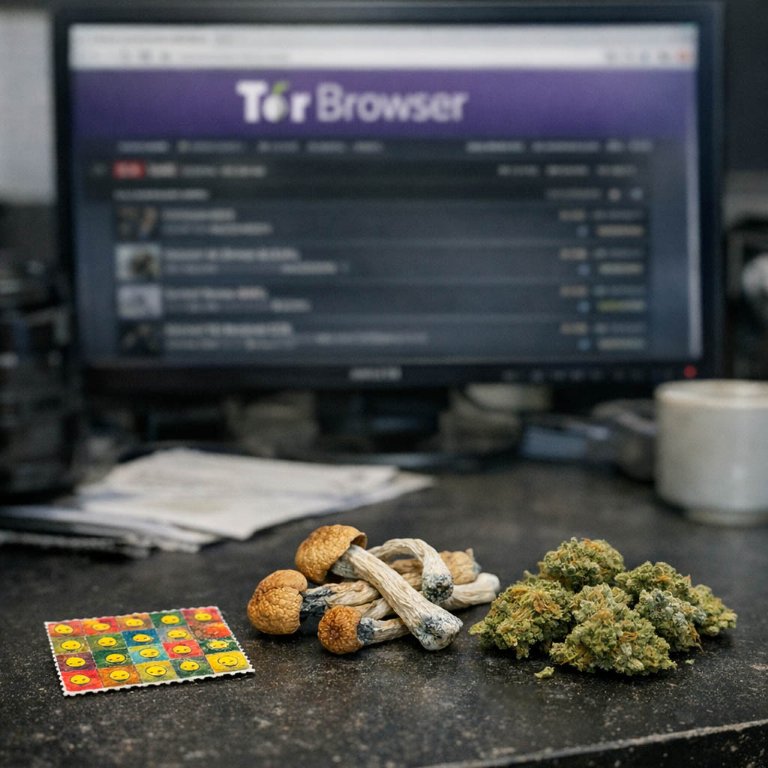
How Darknet Commerce Works with Crypto and Privacy
The operational model of darknet commerce is fundamentally built upon the integration of cryptocurrency with the privacy features of the dark web. This combination creates a framework for safe and private trade. Transactions are conducted using digital currencies like Bitcoin or Monero, which provide a layer of financial anonymity by separating transaction details from real-world identities. This system allows buyers and vendors to engage in commerce without the oversight of traditional financial institutions.
The architecture of darknet marketplaces further enhances security. These platforms operate as encrypted services accessible only through specialized software, which masks a user's location and network activity. All communications and transaction details within the marketplace are protected by end-to-end encryption. This means that only the intended recipient can read the data, shielding it from interception. The model employs several key mechanisms:
- Escrow services hold a buyer's cryptocurrency payment until the goods are received, releasing funds to the vendor only after confirmation.
- Multisignature wallets require two or more cryptographic keys to authorize a transaction, adding an extra layer of security against fraud.
- A robust user feedback and rating system builds trust and accountability, allowing participants to make informed decisions based on past transaction histories.
This ecosystem is self-regulating and efficient. It facilitates direct peer-to-peer trade, eliminating traditional middlemen and reducing associated costs. The decentralized and resilient nature of both the darknet and cryptocurrency networks allows these marketplaces to adapt and persist, providing a continuous platform for private commerce that prioritizes user security and transactional privacy above all else.