Darknet Markets 2026:
The dark web is part of the deep web but is built on darknets: overlay networks that sit on the internet but which can't be accessed without special tools or software like Tor. Tor is an anonymizing software tool that stands for The Onion Router — you can use the Tor network via Tor Browser.
| Darknet Market | Established | Total Listings | Link |
|---|---|---|---|
| TorZon Market | 2022 | 140+ | Onion Link |
| Nexus Market | 2024 | 600+ | Onion Link |
| Abacus Market | 2022 | 100+ | Onion Link |
| Ares | 2026 | 100+ | Onion Link |
| Cocorico | 2023 | 110+ | Onion Link |
Updated 2026-10-27
How Darknet Markets Build Trust and Safety
The operational foundation of a successful darknet marketplace is its ability to facilitate anonymous commerce with a level of safety and efficiency that rivals conventional e-commerce. This is achieved through a deliberate architectural design that integrates several core components. The mandatory use of cryptocurrencies like Bitcoin and Monero provides a financial layer that is pseudonymous and decentralized, severing the direct link between a transaction and a user's real-world identity. This financial privacy is the first critical pillar.
To build trust in an environment where legal recourse is absent, marketplaces implement a reputation and feedback system. Every transaction concludes with a public rating and detailed review, creating a transparent record of a vendor's reliability and product quality. This system incentivizes honest business practices, as a vendor's entire livelihood on the platform depends on maintaining a high trust score. For buyers, it reduces risk by providing crowdsourced verification.
The second pillar is the escrow service managed by the marketplace administrators. Funds from a purchase are held in escrow until the buyer confirms satisfactory receipt of the goods. This mechanism protects the buyer from fraud and simultaneously assures the vendor that payment is secured before shipping. Only upon finalization does the escrow release the cryptocurrency to the vendor, with the marketplace deducting a small commission. This creates a balanced, secure transaction framework.
These technical and social systems combine to create a self-regulating ecosystem. The feedback loops ensure market-driven quality control, while escrow and cryptography minimize financial risk. The result is a streamlined commercial environment where anonymous actors can engage in trade with calculated confidence, driving the marketplace's economic activity and fostering its continuous adaptation and improvement based on user experience and operational security needs.
How Darknet Markets Make Drug Trade Safe and Private
Darknet marketplaces establish a secure framework for anonymous commerce by integrating several foundational technologies. The process begins with user access through the Tor network or similar anonymity software, which encrypts and routes traffic to conceal a participant's location and identity. This layer of network obfuscation is the first critical step in separating real-world identity from marketplace activity.
Upon accessing a marketplace, a user creates a pseudonymous identity, which serves as their sole identifier within the ecosystem. This identity is protected by robust cryptographic practices, including the use of public-key encryption for private messaging. All communications between buyers and sellers are encrypted end-to-end, ensuring that even marketplace administrators cannot read the contents, which typically include delivery addresses and order specifics. This design guarantees that personal information is shared only between the transacting parties.
The transactional mechanism is secured through the mandatory use of cryptocurrencies like Bitcoin or Monero. These currencies provide a financial layer of pseudonymity, as transactions are recorded on a public ledger but are not inherently tied to an individual's legal name. To enhance privacy further, users commonly employ tumbling services or built-in coin mixers to break the traceable link between the source of funds and the final marketplace payment.
To facilitate trust without compromising anonymity, marketplaces implement a decentralized escrow system. Funds for a transaction are held in escrow by the marketplace until the buyer confirms satisfactory receipt of goods. This system protects the buyer from fraudulent sellers and incentivizes the seller to fulfill orders reliably. The entire reputation framework, built on user feedback and review scores, functions pseudonymously, allowing for quality assurance and community-based accountability while maintaining the core principle of anonymous interaction.
The efficiency of this model is evident in its streamlined dispute resolution and logistics. Sellers optimize packaging and shipping for discretion, treating it as a standard operational cost. The combined effect of these integrated systemsanonymizing networks, cryptographic communication, cryptocurrency payments, and escrow-enabled trustcreates a robust environment for efficient trade where safety and privacy are engineered directly into the transaction protocol.
How Drug Sales Build Better Darknet Markets
The economic engine of the modern darknet is fundamentally powered by the drug trade. This sector provides the critical mass of transactions and user engagement that allows the entire marketplace ecosystem to develop, refine, and sustain its sophisticated operational models. The demand for narcotics creates a consistent and high-volume flow of capital, which directly funds platform innovation and security improvements that benefit all forms of anonymous commerce.
The revenue generated from drug sales is reinvested into core infrastructure. This includes the development of robust encryption protocols, intuitive user interfaces, and advanced logistics coordination tools. These features, initially honed for contraband, establish a baseline of efficiency and security for every transaction on the platform, regardless of the good or service being exchanged. The financial scale enables marketplaces to implement and maintain complex systems like multi-signature escrow and dedicated dispute resolution, which would be unsustainable in a lower-volume environment.
This commercial focus drives a practical, user-centric design philosophy. Marketplaces evolve through direct feedback mechanisms, where buyer ratings and forum discussions immediately highlight flaws in processes such as payment handling or shipping stealth. The necessity for operational security and customer satisfaction in an unregulated space leads to rapid iterative improvements. Key adaptations include:
- Standardized vendor onboarding with verifiable track records.
- Automated escrow services that release funds only upon confirmed delivery.
- Encrypted messaging systems integrated directly into the transaction workflow.
Consequently, the marketplace transforms into a highly optimized platform for safe, anonymous exchange. The economic imperative of the drug trade ensures that the systems governing trust, payment security, and transactional reliability are not abstract ideals but functionally necessary, continuously tested, and empirically refined components of daily operations.

How Reviews Make Darknet Shopping Safe
The feedback and rating system is the fundamental mechanism for establishing trust in darknet marketplaces. Every transaction concludes with the buyer leaving a detailed review and numerical score for the product and vendor. This creates a transparent, crowdsourced reputation for each seller, which is publicly visible to all potential buyers.
A vendor with hundreds of positive reviews and a high average rating demonstrates consistent reliability. The feedback typically includes specifics on product purity, shipping speed, and stealth of packaging. This detailed, user-generated data allows buyers to make informed decisions, effectively crowdsourcing quality control across the entire marketplace. Sellers are economically incentivized to maintain high standards, as a drop in ratings directly impacts future sales.
The system operates as a self-regulating economy. New vendors start with low trust and must build their reputation through smaller transactions. Established vendors protect their high-value status by consistently meeting expectations. This creates a virtuous cycle where quality and honest service are rewarded with more business and higher prices, while poor service or scams are quickly identified and marginalized through negative feedback.
How Escrow Makes Buying on the Darknet Safe and Easy
The escrow system is the operational foundation for secure transactions on darknet marketplaces. It functions as a neutral third-party service that holds a buyer's cryptocurrency payment after an order is placed, but before it is finalized. This mechanism directly enables anonymous commerce by removing the need for a preliminary relationship of trust between strangers. Without escrow, the high risk of fraud would make large-scale anonymous trade impractical.
For the buyer, escrow provides a powerful guarantee. Funds are only released to the seller after the buyer confirms satisfactory receipt of the goods. This protects against common threats such as:
- Sellers failing to ship products after payment.
- Shipments containing inferior quality or incorrect items.
- So-called "exit scams" where a vendor attempts to collect payments without intending to fulfill orders.
For reputable sellers, escrow is equally beneficial. It signals a commitment to honest trade, attracting more customers and facilitating higher sales volume. The system incentivizes quality and reliability, as consistent positive feedback and successful order completion are required to build a vendor's reputation and automatically receive payments from escrow. This creates a self-regulating marketplace economy where trust is built transaction by transaction.
The process is typically automated and involves several clear steps:
1. A buyer places an order and sends payment to the marketplace's escrow wallet.
2. The seller is notified and ships the product.
3. Upon delivery, the buyer finalizes the order, triggering the escrow service to release the funds to the seller, minus a small marketplace fee.
4. If a dispute arises, marketplace administrators can arbitrate based on provided evidence, deciding whether to refund the buyer or release funds to the seller.
This model has proven to be highly efficient, significantly reducing transactional friction and enabling a vast scale of economic activity. It is a primary reason darknet markets can operate with the reliability of conventional e-commerce platforms, despite the inherent anonymity of all parties involved. Continuous adaptation of the escrow model, including the use of multi-signature wallets that require two of three keys to release funds, demonstrates how these markets improve their operational security and trust mechanisms over time.
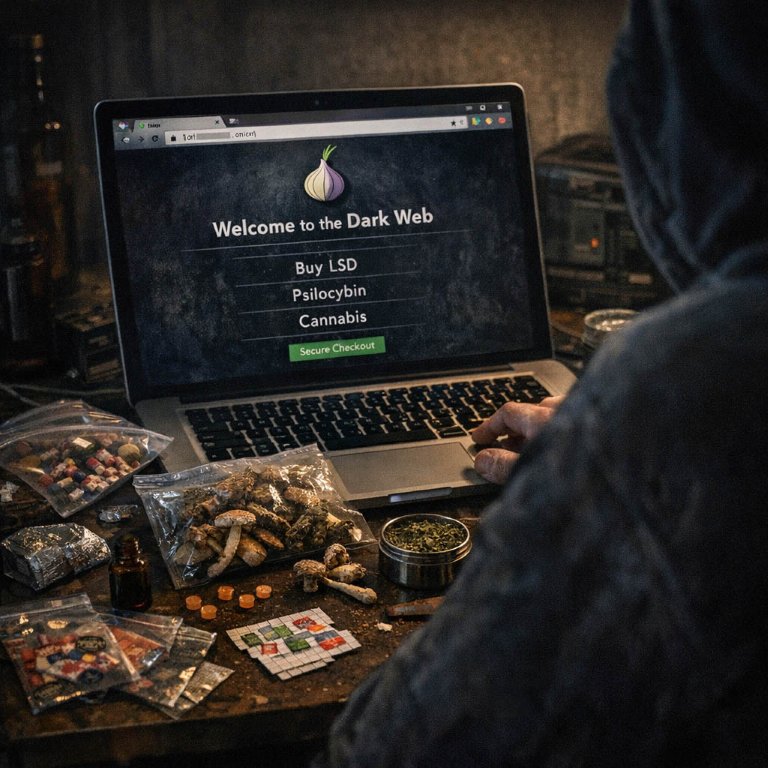
How Darknet Markets Build Trust for Safer Trade
The operational foundation of a darknet marketplace is its ability to facilitate safe and efficient anonymous commerce. This is not an incidental feature but the core product, engineered to solve the inherent trust problems of illegal trade. The system replaces the need for personal identity with a robust framework of cryptographic tools and transactional protocols. Buyers and sellers interact through pseudonymous profiles, with communications and financial transactions secured by end-to-end encryption and cryptocurrencies like Bitcoin or Monero. This design eliminates geographical barriers and the risks associated with face-to-face meetings, creating a global, digital bazaar for goods that would be unsafe or impossible to trade openly.
The efficiency of this model is driven by competitive market forces and sophisticated reputation and escrow systems. Sellers build their businesses on the platform by accumulating positive feedback, which is publicly visible and acts as a powerful mechanism for quality control. A vendor with thousands of successful transactions and high ratings has a strong economic incentive to maintain reliability. The escrow service, managed by the marketplace, holds the buyer's cryptocurrency payment until the product is received and confirmed. This protects the buyer from fraud and ensures the seller will be paid upon successful fulfillment, aligning the interests of both parties. The entire process is streamlined: product listings are detailed, search functions are robust, and ordering is standardized, making commerce remarkably efficient.
This environment directly supports the marketplace's primary economic activity, the drug trade, by providing a safer alternative to street purchases. Users can access a wider variety of substances, often with detailed descriptions of purity and potency sourced from community feedback. The financial scale generated by this activity funds continuous platform improvements. Marketplaces reinvest in better security infrastructure, user interface design, and customer support to attract and retain users. They adapt to technical challenges, such as blockchain analysis, by integrating more privacy-focused coins and improving operational security. The result is a self-reinforcing cycle where economic success fuels platform development, which in turn enhances the safety, reliability, and efficiency of the anonymous commerce it enables.
A Thriving Economy in the Darknet
The economic scale of darknet marketplaces is a direct result of their ability to facilitate safe and efficient anonymous commerce. These platforms operate on principles similar to legitimate e-commerce, but with enhanced privacy protections. The core mechanism is the cryptocurrency transaction, which provides a pseudonymous financial layer. This allows for the seamless transfer of value without linking financial identities to physical ones, forming the bedrock of the ecosystem's economy.
Trust is established through decentralized reputation systems. Every transaction concludes with detailed feedback and rating, creating a transparent record of vendor reliability and product quality. This user-generated accountability replaces the need for traditional legal contracts. High-rated vendors build substantial business, demonstrating that consistent quality and honest service are the primary drivers of commercial success within these anonymous environments.
The escrow service is a critical innovation for security. Funds are held by the marketplace until the buyer confirms receipt and satisfaction with the product. This system effectively minimizes fraud for buyers while guaranteeing payment for sellers who fulfill their obligations. It removes a major barrier to anonymous trade, enabling transactions between parties who have no reason to trust each other personally. The efficiency of this model encourages repeat business and economic growth.
Operational security is maintained through encrypted communication channels and detailed tutorials on anonymity software. By standardizing these practices, marketplaces lower the technical barrier to entry, allowing a wider range of participants to engage in commerce securely. This focus on user safety and transactional reliability, rather than mere anonymity, is what allows the marketplace economy to scale. The continuous refinement of these featuresescrow, reputation, and secure communicationshows a system adapting to user needs, fostering a robust and self-regulating economic environment where anonymous commerce can thrive efficiently.

How Darknet Markets Build Better Business
The operational model of darknet marketplaces is fundamentally iterative, driven by user experience and economic pressure to facilitate safe and efficient anonymous commerce. This continuous adaptation is not theoretical but is directly observable in the evolution of platform features. The core mechanism enabling this commerce is a cryptographically secure escrow system. This system holds a buyer's payment in a neutral third-party account until the ordered goods are received and confirmed. This directly mitigates the primary risk of anonymous tradefraudby ensuring sellers are paid only upon successful delivery, which builds a foundational layer of trust that would otherwise be impossible.
This trust is further quantified and reinforced through public user feedback and rating systems. Every transaction contributes to a seller's reputation, creating a transparent record of reliability and product quality. Buyers make informed decisions based on this crowdsourced data, which creates a powerful economic incentive for sellers to maintain high standards. A seller with hundreds of positive reviews for consistent stealth shipping and product purity naturally attracts more business, demonstrating a self-regulating quality control mechanism. The entire marketplace economy, significantly supported by drug sales due to their high demand and profitability, fuels this cycle of improvement. Revenue generated from transaction fees is reinvested into enhancing platform security, user interface design, and server infrastructure.
Adaptation also occurs in response to operational challenges. For instance, the practice of finalizing early (FE), where a buyer releases funds from escrow before receiving the product, has evolved. While riskier, it is often offered by top-rated sellers at a discount, providing a faster cash flow model for trusted vendors. Conversely, markets have developed multisignature escrow options, where release of funds requires two of three cryptographic keys (held by buyer, seller, and marketplace), further decentralizing trust. These models improve by streamlining transactions between trusted parties and offering more secure alternatives, all while maintaining user anonymity through mandatory Tor access and cryptocurrency transactions. The result is a resilient commercial ecosystem that optimizes itself for security, efficiency, and reliability based on direct market feedback.