Darknet Markets 2026:
The dark web is part of the deep web but is built on darknets: overlay networks that sit on the internet but which can't be accessed without special tools or software like Tor. Tor is an anonymizing software tool that stands for The Onion Router — you can use the Tor network via Tor Browser.
| Darknet Market | Established | Total Listings | Link |
|---|---|---|---|
| TorZon Market | 2022 | 140+ | Onion Link |
| Nexus Market | 2024 | 600+ | Onion Link |
| Abacus Market | 2022 | 100+ | Onion Link |
| Ares | 2026 | 100+ | Onion Link |
| Cocorico | 2023 | 110+ | Onion Link |
Updated 2026-10-27
How Darknet Markets Make Drug Buying Safe and Easy
Finding trusted vendors is the foundational step for secure shopping on darknet drug markets. The process relies on a transparent, user-driven reputation system where past buyers leave detailed feedback on product quality, shipping speed, and stealth of packaging. A vendor with a long history and thousands of positive reviews naturally presents a lower risk. Shoppers meticulously analyze this feedback, often found on vendor profiles and individual product listings, to assess consistency and reliability.
Secure transactions are enabled by two key mechanisms: multisignature escrow and direct end-to-end encryption. In a standard escrow transaction, the buyer's funds are held by the marketplace until the product is received and confirmed. This protects the buyer from vendors who might not ship the product. Multisignature escrow adds a layer of security by requiring two out of three cryptographic keys (belonging to buyer, vendor, and marketplace) to release the funds, reducing dependency on a single potentially corruptible party. All communication regarding orders is conducted using encrypted messaging, which prevents interception of addresses and other sensitive details.
The shopping procedure is methodical:
- Selecting a vendor based on reputation metrics and desired product.
- Exchanging encrypted information for the delivery.
- Securing funds in the escrow system.
- Finalizing the order only after satisfactory receipt of the product, which then releases payment to the vendor.
How Encryption Makes Shopping on the Darknet Safe and Reliable
The foundation of secure shopping on a darknet marketplace is the encryption built into its communication systems. Buyers and vendors interact using PGP encryption, which scrambles messages so that only the intended recipient, possessing the correct private key, can read them. This creates a private channel for discussing order details, shipping, and any specific requests, shielding the conversation from everyone else, including the marketplace administrators.
This technological layer directly enables the reputation system, which is the primary method for finding trusted vendors. A vendor's profile displays a feedback score and detailed comments from previous transactions. High-volume vendors with consistently positive feedback over a long period establish digital trust. Buyers systematically review this history, focusing on comments about product quality, shipping speed, and stealth packaging. The encryption ensures that the feedback is based on completed, verifiable transactions between the two parties.
The process integrates with the escrow service for financial security. When an order is placed, the buyer's cryptocurrency is held in escrow by the marketplace. Only after the product is received and confirmed does the funds release to the vendor. This mechanism protects the buyer from scams and incentivizes the vendor to fulfill the order as described. The entire transaction, from encrypted discussion to escrow release, is facilitated by the marketplace's onion service, which anonymizes the user's location and access point.
Successful navigation involves a clear protocol:
- Analyzing a vendor's sales history and recent feedback trends.
- Initiating an encrypted dialogue to gauge professionalism and responsiveness.
- Starting with a small test order to personally verify the vendor's claims before committing to larger purchases.
How Feedback Builds Trust for Safe Shopping on the Darknet
The feedback and reputation system is the primary mechanism for establishing trust on a darknet marketplace. It functions as a decentralized form of quality control, where the community collectively vets vendors based on transactional history. A vendor's profile displays a reputation score, typically calculated from the volume of sales and the percentage of positive reviews. This score is a quantitative measure of reliability. Newer vendors often start with a lower score, which incentivizes them to maintain high standards to build their standing.
User reviews provide qualitative data beyond the numerical score. Shoppers analyze feedback for specific details about product purity, shipping speed, and stealth packaging. Consistent patterns in reviews, such as repeated mentions of exact weights or prompt delivery, validate a vendor's claims. The system's design encourages honest reporting; a buyer's review also carries weight, creating a mutual accountability loop. This environment promotes a market where consistent quality and professional service are rewarded with more business and higher visibility in listings.
Finding a trusted vendor involves a systematic review of their reputation metrics. Key steps include:
- Examining the vendor's tenure on the platform and total number of transactions.
- Reading recent and historical feedback to identify any shifts in quality or service.
- Checking for resolved dispute cases, which indicate a vendor's willingness to honor the escrow process and correct issues.
This process reduces uncertainty for the buyer. Secure shopping is a direct outcome of this transparent feedback loop. When a vendor has invested significant effort into building a high reputation, they are economically motivated to protect it by fulfilling orders as described. The reputation system thus transforms individual transactions into a stable, self-regulating ecosystem where credible actors thrive.

How Escrow Makes Darnet Drug Shopping Safer
Establishing trust between anonymous parties is the fundamental challenge of any darknet marketplace. The escrow system directly addresses this by acting as a neutral third party that holds the buyer's cryptocurrency until the transaction is satisfactorily completed. This mechanism creates a secure framework where the vendor is motivated to deliver the advertised product, knowing payment is guaranteed, and the buyer can shop with confidence, protected from outright scams.
When a purchase is made, funds are locked in escrow by the marketplace. The vendor then ships the product. Upon receipt, the buyer finalizes the transaction, releasing the funds from escrow to the vendor. This process incentivizes honest conduct. If a dispute arises, such as a non-delivery or significantly substandard product, the buyer can open a dispute resolution case. Marketplace moderators then review communication and evidence from both parties before adjudicating the release of funds. This system transforms a potentially risky anonymous trade into a verifiable and structured transaction.
The effectiveness of escrow is amplified by the platform's feedback and reputation system. A vendor with a long history of successful escrow releases builds a high rating, which becomes a valuable asset. Buyers actively seek out these trusted vendors, knowing their funds are protected during the evaluation process. This creates a self-reinforcing cycle of quality and reliability. For new vendors, successfully completing escrow transactions is the primary method to build credibility and attract a customer base.
While no system is infallible, the combination of escrow and public reputation metrics significantly reduces fraud. It provides a clear, transactional path to trust that is essential for the stable operation of a darknet marketplace, ensuring that both supply and demand can interact with a measurable degree of security and predictability.
How Supply and Demand Builds Better Markets in the Darknet
The economic principle of supply and demand functions as the primary regulatory mechanism on darknet marketplaces, directly influencing product availability, pricing, and vendor behavior. A high demand for a specific substance, coupled with limited supply, typically results in elevated prices. This encourages new vendors to enter the market, increasing competition. Over time, this competition stabilizes prices and improves overall product quality, as vendors must differentiate themselves to attract buyers.
The feedback and reputation system is a critical data point within this economic model. A vendor with consistent, high-quality supply accumulates positive feedback, which increases demand for their listings. This allows them to command a price premium and maintain a stable customer base. Conversely, vendors with poor feedback see demand for their products diminish, often leading to their exit from the marketplace. This self-regulating effect filters out unreliable actors and reinforces market stability.
For the buyer, navigating this landscape involves analyzing these economic signals. A trusted vendor is often characterized not just by positive feedback, but by consistent supply over an extended period. Secure shopping is facilitated by the escrow system, which holds payment until the buyer confirms receipt. This mechanism balances the transaction, protecting the buyer from non-shipment and the vendor from fraudulent claims. The most reliable transactions typically occur with vendors who have adapted to market demands by offering:
- Competitive pricing within the established market rate
- Detailed and accurate product descriptions
- Professional packaging and stealth methods
- Responsive communication
Ultimately, the dynamics of supply and demand create an environment where vendor success is intrinsically linked to reliability and service quality. A vendor's long-term viability depends on their ability to meet consumer demand consistently and securely, which in turn builds the trusted community that forms the foundation of a stable darknet platform.
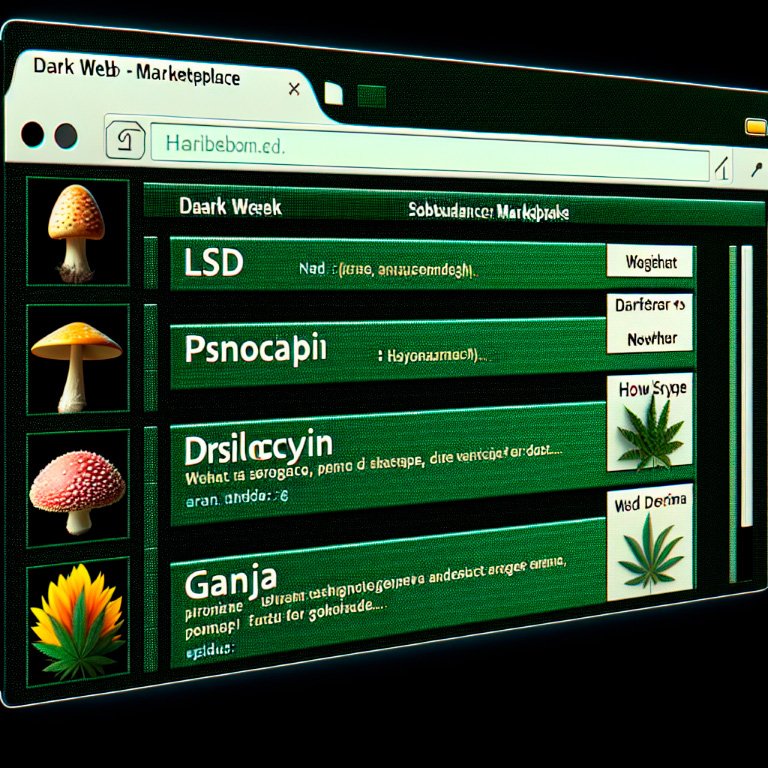
Finding What You Need on the Darknet: By Product and Region
Efficient organization is a cornerstone of the darknet marketplace ecosystem, directly facilitating the discovery of trusted vendors and the execution of secure transactions. Platforms structure their vast inventories using a dual-axis system of product categorization and geographic filtering, which streamlines the user journey from search to purchase.
Product listings are segmented into clear, hierarchical categories such as stimulants, psychedelics, pharmaceuticals, and precursors. This allows a buyer to immediately navigate to a specific substance type. Within each category, further subdivisions are common, for example separating cannabis flower from concentrates or distinguishing between LSD blotters and microdots. This precise taxonomy enables users to efficiently compare vendor reputation, purity levels, and price points for identical or similar products, forming the basis for an informed purchasing decision.
The regional organization of listings is equally critical for operational security and practical logistics. Vendors explicitly list the countries or continents they ship from and serve. This system provides several key advantages:
- It minimizes shipping times and reduces the risk of package interception during transit, as domestic or regional shipping routes are generally more secure.
- It allows buyers to identify vendors within their own legal jurisdiction or a neighboring one, which often implies a shared understanding of stealth packaging techniques tailored to local postal systems.
- It fosters vendor specialization, where sellers develop expertise in securely servicing specific regions, thereby building a stronger, more reliable feedback history within that geographic segment.
The synergy between product type and regional filters creates a targeted browsing environment. A user seeking MDMA within Europe can quickly isolate relevant listings, review the feedback history of vendors shipping from within the Schengen Area, and assess their escrow adoption rates. This structured environment reduces market noise and concentrates community feedback, making it significantly easier to identify established, reliable vendors who have demonstrated consistent product quality and shipping reliability for a specific item in a specific region. The resulting efficiency and clarity directly lower transaction risk and build user confidence in the platform's utility.
How a Stable Darknet Builds Trust for Buyers and Sellers
Market stability on a darknet drug marketplace is a primary factor for user retention and growth. A stable platform provides a predictable environment where both vendors and buyers can operate with long-term expectations. This predictability reduces the perceived risk associated with each transaction, encouraging repeat business and fostering a sustainable economic ecosystem. Users are attracted to platforms where they can plan future purchases without fear of the marketplace disappearing overnight.
The foundation of this stability is a robust feedback and reputation system. These systems function as a decentralized form of quality control and trust verification. A vendor with a long history of positive feedback and a high rating becomes a trusted entity within the community. Buyers systematically rely on this accumulated data, which includes detailed reviews on product quality, shipping speed, and stealth packaging. This creates a self-reinforcing cycle: reliable vendors receive more business, which further solidifies their reputation and, by extension, the market's overall reliability.
For secure shopping, the escrow service is a non-negotiable feature of a stable darknet market. It acts as a neutral third party, holding the buyer's cryptocurrency until the product is received and confirmed. This mechanism directly protects the buyer from scams while ensuring the vendor receives payment upon successful fulfillment. The proper use of escrow, often automatically enforced by the platform's software, minimizes financial disputes and builds transactional confidence. Stable markets rigorously maintain and promote this system, understanding it is critical for user security.
Effective organization also contributes to stability and trust. Markets that categorize listings clearly by product type and region enable efficient and secure shopping. This structure allows buyers to quickly locate domestic vendors, which significantly reduces shipping risks and delays. A well-organized interface reduces user error and operational friction, making the marketplace more accessible and reliable for everyday use.
The culmination of these featuresreputation systems, escrow, and clear organizationcreates a user experience characterized by reduced anxiety and increased efficiency. Participants can engage in commerce with a clear understanding of the processes and safeguards in place. This operational clarity and the proven track record of consistent vendors are what transform a chaotic space into a stable marketplace, attracting users who seek a dependable platform for their transactions.

How Vendor Reputation Makes Darknet Trade Safe and Steady
The foundation of any successful darknet marketplace is a reliable vendor community. Trust is not assumed but is built through transparent, verifiable actions recorded on the platform. A vendor's reputation score and feedback history serve as the primary metrics for assessing reliability. These scores are generated from thousands of past transactions, providing a statistical measure of performance in key areas:
- Product quality matching the description
- Stealth and professionalism of packaging
- Punctuality of delivery
- Clarity and honesty in communication
This system creates a self-regulating environment where vendors are financially incentivized to maintain high standards. Consistent positive feedback directly translates into increased sales and visibility within marketplace listings. Buyers contribute to this ecosystem by leaving detailed, objective reviews, which in turn guides future purchasing decisions for the entire community. The process establishes a form of crowdsourced quality assurance that is difficult to falsify at scale.
Secure shopping practices are equally critical and are facilitated by platform tools. The escrow service is a central mechanism, holding the buyer's cryptocurrency in reserve until the product is received and confirmed. This protects the buyer from scams and motivates the vendor to fulfill the order correctly to receive payment. For additional security, many experienced users and vendors engage in direct deals after a successful transaction history is established, often utilizing a multisignature escrow that requires two out of three keys to release funds, further decentralizing trust.
The cumulative effect of these systems is a stable marketplace where predictable, secure exchanges are the norm. New vendors enter the market by initially offering smaller quantities or sample products to build their reputation, while established vendors protect their status by maintaining consistent service. This economic model fosters a self-policing community where trust, built through repeated successful interactions, becomes the most valuable commodity for all parties involved.
How Darknet Shopping Works: Reputation, Escrow, and Secure Trade
The process of finding trusted vendors is the cornerstone of a secure transaction. Users rely on the reputation system, which functions as a decentralized ledger of past performance. A vendor's history is quantified through detailed feedback scores and written reviews from previous buyers. These reviews often specify product quality, shipping speed, and stealth of packaging. A vendor with a long history of positive feedback and a high completion rate presents a lower risk.
Secure shopping extends beyond vendor choice to the transaction mechanics. The escrow service is a critical feature, holding the buyer's cryptocurrency in a secure third-party account until the product is received and confirmed. This system protects the buyer from fraud and incentivizes the vendor to fulfill the order correctly. Finalizing the escrow only after satisfactory receipt aligns the interests of both parties.
Direct communication before purchase further refines trust. Potential buyers use the platform's encrypted messaging to ask vendors specific questions. A prompt, professional, and detailed response indicates an organized and reliable vendor. This interaction assesses operational security and customer service, key components of a sustainable darknet business.
The culmination of this process is a standardized shopping experience. A user typically:
- Filters listings by product type, region, and vendor rating.
- Studies vendor profiles, historical feedback, and review text.
- Engages in preliminary encrypted communication if needed.
- Places an order, with funds secured in escrow.
- Receives the product and finalizes the escrow, leaving updated feedback.